Carpool vs Ride-Hailing in Pakistan: Cost, Reliability, and Value
A practical side-by-side comparison of daily commuting options for Lahore, Islamabad, and Karachi with fare bands and use-case guidance.
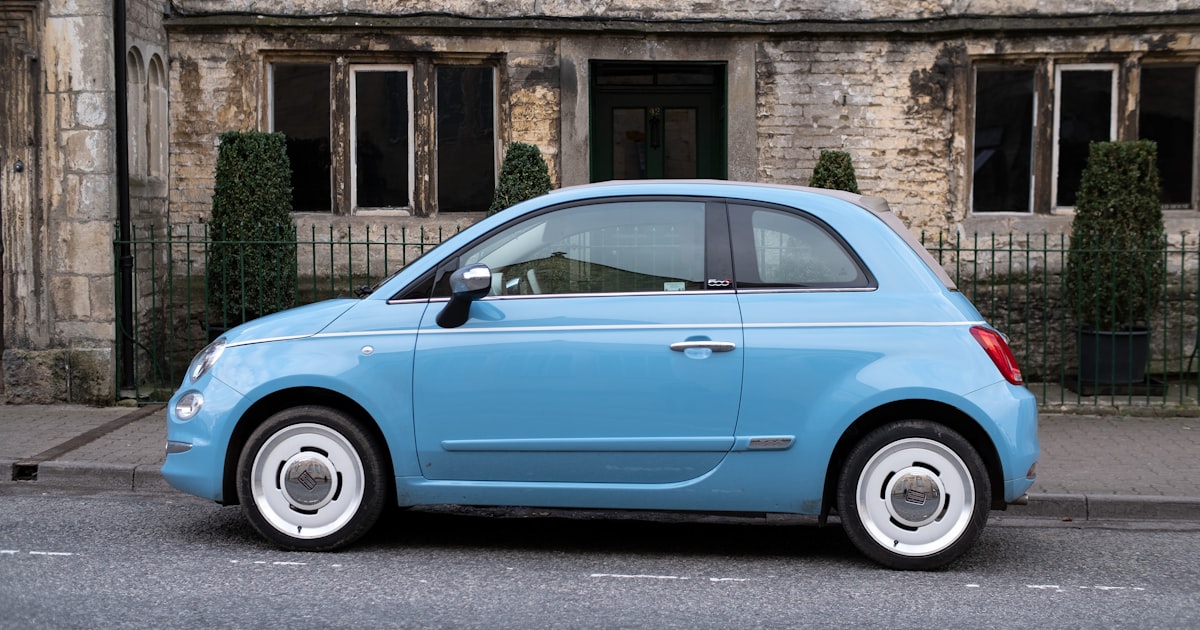
Daily commute decision: convenience or cost efficiency?
In Pakistan, commuters often switch between ride-hailing and informal sharing without a clear strategy. The result is unpredictable spending and avoidable stress. The better approach is mode design: choose one primary mode for repeated weekday travel and one backup mode for exceptions.
This guide compares carpooling and ride-hailing across cost, timing reliability, route fit, and long-term commuting value.
Quick comparison snapshot
| Factor | Carpool | Ride-hailing |
|---|---|---|
| Daily commute cost | Usually lower | Usually higher in peak |
| Budget predictability | High with recurring rides | Medium-Low due to surge |
| Flexibility | Medium | High |
| Relationship continuity | High (recurring partners) | Low (new driver each trip) |
| Best for | Fixed weekday routes | One-off variable trips |
The key insight: for repeat commutes, predictability and monthly savings usually matter more than maximum flexibility.
Cost analysis in rupees
Lahore sample: 10 km corridor
| Mode | Typical one-way fare | Approx monthly (22 days x 2 trips) |
|---|---|---|
| Ride-hailing | Rs. 350 - Rs. 600 | Rs. 15,400 - Rs. 26,400 |
| Carpool | Rs. 100 - Rs. 220 | Rs. 4,400 - Rs. 9,680 |
Islamabad sample: cross-sector route
| Mode | Typical one-way fare | Approx monthly |
|---|---|---|
| Ride-hailing | Rs. 380 - Rs. 650 | Rs. 16,720 - Rs. 28,600 |
| Carpool | Rs. 130 - Rs. 260 | Rs. 5,720 - Rs. 11,440 |
For commuters with 20+ workdays, this difference compounds quickly.
Reliability: often misunderstood
Ride-hailing reliability
Ride-hailing is strong for ad-hoc flexibility, but daily peak travel can be affected by:
- Driver acceptance delays
- Surge-driven cancellation behavior
- Dynamic ETA shifts in high congestion
Carpool reliability
Carpool reliability improves over time as route partners stabilize. In recurring setups, pickup and drop become routine and more predictable week to week.
If you want a practical route model, read Gulberg to DHA guide.
Flexibility vs financial control
When ride-hailing is clearly better
- You have an unpredictable schedule.
- You travel to different destinations daily.
- You need immediate one-time transport.
- Your return time changes every evening.
When carpool clearly wins
- Same route most weekdays.
- Need controlled monthly budget.
- Prefer predictable social and safety context.
- Want lower stress from repeated booking decisions.
Most professionals benefit from a hybrid strategy: carpool default, ride-hailing backup.
Hidden cost pressure in ride-hailing routines
Commuters often overlook recurring issues:
- Surge multipliers in rain or peak exits
- Daily decision fatigue from choosing each trip
- Variability in driver route preferences
- Higher monthly spend without noticing until month-end
In contrast, recurring carpools reduce both spend volatility and mental load.
Safety and trust signals
Both modes require smart habits. With carpooling, trust can increase through repeated exposure to the same route partners, profile checks, and consistent review history.
Women commuters can apply layered checks from Carpool safety tips for women in either mode.
Monthly planning framework
Use this simple structure:
| Commute category | Recommended mode |
|---|---|
| Core weekday office route | Carpool |
| Urgent same-day meeting | Ride-hailing |
| Late night occasional ride | Ride-hailing |
| Predictable weekly classes/training | Carpool |
This split can dramatically reduce monthly transportation bills while keeping flexibility where needed.
Host perspective: ignored in most comparisons
Ride-hailing comparison usually assumes passenger-only logic. But if you already own a car and drive daily, hosting changes the economics entirely.
- You keep your normal route.
- You fill available seats.
- You offset fuel burden.
See Become a ride host if this applies to you.
Common mistakes in decision-making
- Comparing one discounted ride-hailing trip to normal month averages
- Ignoring return-trip surge patterns
- Assuming carpool requires perfect schedules
- Not testing a recurring route for at least two weeks
Short tests can mislead. A fair comparison needs at least 10 to 15 commute days.
Pakistan city context
Lahore
Frequent congestion and repeated corridors make carpool financially compelling for office commuters.
Islamabad/Rawalpindi
Structured sector geography favors recurring route matching and stable planning.
Karachi
Longer distance and heavy peak fares increase potential savings from shared commuting.
Final recommendation
Ride-hailing remains useful for flexibility and exceptions. But for repeated weekday commuting, carpooling usually provides better monthly value, stronger budget control, and more predictable routine.
90-day action framework you can actually follow
Days 1 to 14: setup and baseline
In your first two weeks, focus on route clarity and evidence gathering. Track departure time, arrival time, and total daily transport spend in rupees. Do not optimize too early. Your first goal is to understand your real pattern.
Use one primary pickup and one fallback pickup. Confirm route and timing once at night and once in the morning. Keep communication short and practical. This alone can remove most avoidable daily confusion.
Days 15 to 45: stabilization
After initial testing, lock one route for weekdays and avoid unnecessary experimentation. If you are a passenger, prioritize host consistency over small fare differences. If you are a host, prioritize punctuality and route discipline over aggressive seat expansion.
During this phase, review your actual spend weekly and compare with baseline. Many commuters in Lahore, Islamabad, and Karachi notice that predictable routine saves both money and stress even before full optimization.
| Weekly checkpoint | Target signal |
|---|---|
| On-time pickup rate | Improving trend |
| Route deviations | Decreasing trend |
| Commute spend in rupees | Lower than baseline |
| Communication friction | Minimal |
| Safety confidence | Strong and consistent |
Days 46 to 90: optimization
By month three, improve details: refine pickup landmarks, tune timing buffers, and reduce avoidable detours. If your schedule is stable, convert to recurring structure and keep one backup route for emergencies.
At this stage, commuters often discover that reliability is the real multiplier. Better consistency leads to better reviews, fewer cancellations, and better long-term economics.
Pakistan-specific planning factors
Across Pakistani cities, route performance changes with weather, school timing, and month-end traffic pressure. Account for:
- Summer heat and hydration planning at pickup points
- Rain-related slowdowns and route backups
- Friday schedule variability
- Major event days that alter normal corridor flow
If you are comparing broader decisions, keep these resources open: How much carpooling saves, Carpool vs ride-hailing, and Finding your first ride.
Treat carpooling as a weekly system, not a one-time hack. That mindset is what turns short-term experiments into sustainable daily results.
Extra commuter scorecard before you decide
Before finalizing your transport strategy, run this one-page scorecard for two weeks:
- Total rupees spent vs previous mode
- Number of delayed pickups
- Number of emergency backups needed
- Stress level at morning departure
- Predictability of evening return
If carpooling beats ride-hailing on at least three of five metrics, it is usually the better long-term weekday default.
Start with one recurring route in Waymate, use ride-hailing as a backup only, and compare your spend after one month. Most commuters see enough savings to keep carpooling as their default.
Frequently asked questions
Is carpool always cheaper than ride-hailing?
For regular weekday routes, carpool is usually much cheaper. For occasional off-schedule travel, ride-hailing can still be convenient.
When should someone prefer ride-hailing?
Late-night, urgent, one-off, or highly variable destination trips are often better suited to ride-hailing.
Does ride-hailing offer better flexibility?
Yes, but that flexibility often comes with surge pricing and less budget predictability for daily commuters.
Can commuters mix both modes effectively?
Yes. Many people use carpool as primary weekday transport and ride-hailing as a backup or exception mode.
How does safety comparison work in practice?
Both can be used safely with good habits. Carpool trust improves when you choose verified profiles and recurring route partners.